
SPEED DISASTER RELIEF

THE PROBLEM
“Rapid-onset disasters are logistical nightmares—marked by extreme challenges in assessing needs, available resources, and distribution channels.”
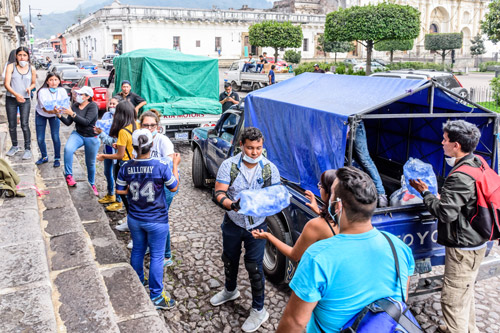
Natural disasters are becoming more frequent and more destructive. The world has witnessed record forest fires across southern Europe and the United States, devastating tsunamis, hurricanes, and floods—events that test the limits of every relief system. Too often, more lives are lost due to delayed response than from the disaster itself. The question is no longer if a disaster will strike, but how ready we are when it does. At the heart of every effective response lies logistics—getting the right resources, in the right quantity, to the right place, at the right time, and at the right cost. But when infrastructure—roads, bridges, airports—is destroyed, even the most experienced relief organizations face extreme challenges. For example, following Hurricane Katrina, 91,000 tons of ice purchased for victims cost taxpayers over USD 100 million, yet most was never delivered. Truck drivers were sent on circuitous routes for weeks, wasting fuel to keep the ice frozen. Whether facing earthquakes, tsunamis, floods, or droughts, the recurring challenge remains the same: a lack of real-time visibility into available resources and distribution capacity.
THE SOLUTION
“The Multi-Dimensional Digital Economy Application System (MDDEAS®) rapidly mobilizes global logistics networks to deliver critical resources with unmatched efficiency.”
Every day, millions of tons of relief-related materials—water, food, medicine, blankets—move through the supply chains of major global distributors such as Walmart, Costco, and Tesco. These same supply chains can be activated for humanitarian response—if they can be seen and coordinated in real time. The MDDEAS® provides precisely that capability. Through real-time data visibility and global tracking integration, MDDEAS® connects governments, relief agencies, and logistics providers on a single digital platform. By combining GPS technology, digital documentation, and predictive analytics, relief agencies can instantly locate available resources worldwide and re-route existing shipments via simple SMS or digital command instructions. The system also enables dynamic allocation of emergency assets—ambulances, evacuation vehicles, fire and rescue units—ensuring they reach affected areas without delay. Furthermore, MDDEAS® introduces a global Emergency Transportation Flow Management System, capable of re-directing traffic and re-routing shipments in real time to maintain a sustained flow of commerce, even during crisis conditions. This transforms disaster response from reactive chaos into coordinated precision—saving lives, reducing losses, and protecting the continuity of national economies.
THE BENEFITS
“Real-time visibility and planning tools to accelerate disaster relief and minimize disruption to economies.”
Deploying MDDEAS® for disaster response delivers the following benefits:
• Global, real-time visibility of all materials needed for emergencies—allowing rapid identification and dispatch of relief supplies.
• Optimized asset and network management through enhanced visibility, capacity planning, and dynamic logistics coordination.
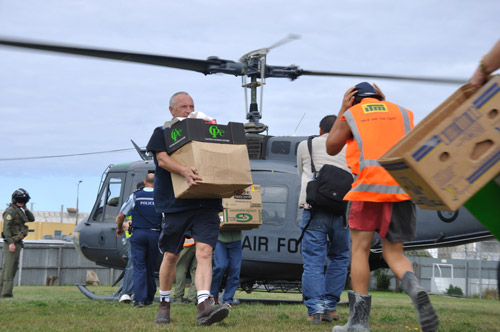
• Accelerated disaster relief response, minimizing loss of life, property damage, and recovery time.
• Sustained economic stability, through a global Emergency Transportation Flow Management System that dynamically reroutes shipments during crises to keep commerce moving.
In a world where every minute matters, MDDEAS® gives humanity the tools to act faster, smarter, and together—turning technology into a lifeline that protects both lives and livelihoods.